The Rise of Metal Roofing in Toronto: A 2026 Perspective
As urban landscapes evolve, homeowners in Toronto are increasingly turning to metal roofing for their properties. By 2026, the advantages of metal roofs over traditional materials are garnering attention for their durability, aesthetic appeal, and energy efficiency. In a city known for its diverse architecture and challenging weather conditions, metal roofing is not just a trend; it's becoming a staple for new constructions and renovations alike. When exploring options, metal roofing toronto provides comprehensive insights into the rising benefits and practicalities of making such a choice.
Why Metal Roofing Is Gaining Popularity in Urban Areas?
The unique needs of urban environments have propelled metal roofing into the spotlight. With increasing concerns about climate change, urban dwellers are seeking materials that are both sustainable and resilient. Metal roofing offers significant advantages:
- Durability: Metal roofing can withstand harsh weather conditions, including heavy snow, rain, and high winds, making it an ideal choice for Toronto's varied climate.
- Energy Efficiency: Reflective metal surfaces reduce heat absorption, leading to lower energy bills during hot summers.
- Low Maintenance: Compared to traditional roofing materials, metal requires less upkeep and has a longer lifespan, often exceeding 50 years.
- Environmental Benefits: Many types of metal roofing are made from recycled materials, promoting sustainability in urban development.
Key Benefits of Choosing Metal Roofing Over Traditional Materials
While wood, asphalt, and tile roofing have historically been popular choices, they come with significant drawbacks. Metal roofing provides several key benefits that can influence the decision-making process:
- Weight Advantages: Metal roofing is lightweight, which means it does not put excessive stress on structures compared to heavier materials like tiles.
- Fire Resistance: Metal roofs are non-combustible, enhancing safety and potentially lowering insurance costs.
- Design Versatility: Available in various styles and colors, metal roofing can complement both contemporary and traditional architectural designs.
Common Misconceptions About Metal Roofing in Toronto
Despite its growing popularity, some misconceptions still deter homeowners from choosing metal roofing. Here are a few common myths debunked:
- Noise Levels: Many believe that metal roofs are excessively noisy during rain. In reality, proper installation with sound-deadening underlayment minimizes noise significantly.
- High Initial Costs: While the upfront costs can be higher, longevity and energy savings make metal roofing a more economical choice over time.
- Limited Aesthetics: The variety of designs available today means homeowners can find options that enhance their property’s beauty without compromise.
Understanding the Cost of Metal Roofing in Toronto
As with any home improvement project, understanding the cost is vital for homeowners considering metal roofing. Prices can vary significantly based on multiple factors, including material type, installation complexity, and the contractor's experience.
Average Cost per Square Foot: What to Expect in 2026
As of 2026, homeowners can expect to pay between $7 to $15 per square foot for metal roofing in Toronto. This range includes materials and labor but can vary based on specific selections such as:
- Type of Metal: Steel, aluminum, copper, and zinc all have different pricing structures.
- Coatings: Additional treatments for enhanced durability or color may add to the costs.
- Design Complexity: Roofs with multiple slopes or special architectural features may require more labor.
Factors That Influence the Cost of Metal Roofing Projects
Several key factors can impact the overall cost of metal roofing projects in Toronto:
- Roof Size and Pitch: Larger homes with steep pitches will inevitably require more materials and labor.
- Removal of Existing Roofing: If homeowners need to remove an old roof, this cost must be considered.
- Access Issues: Hard-to-reach roofs may require specialized equipment, increasing labor costs.
Comparative Overview: Metal vs. Asphalt Roofing Costs
While asphalt shingles have been the traditional choice for many homeowners, metal roofing presents a compelling case. Here’s a comparative look at costs:
- Initial Investment: Metal roofing typically has a higher upfront cost than asphalt shingles, which average $3 to $6 per square foot.
- Long-term Value: Given its longevity and low maintenance, metal roofing may be more cost-effective in the long run.
- Resale Value: Homes with metal roofing often see a higher return on investment due to their durability and aesthetic appeal.
Installation Insights: What to Know Before You Start
Understanding the installation process is crucial for homeowners looking to transition to metal roofing. Below are essential considerations and steps to ensure a successful project.
Choosing the Right Contractor for Metal Roofing in Toronto
Finding a qualified contractor can significantly impact the installation's outcome. Homeowners should look for:
- Experience: Contractors with a track record in metal roofing are more likely to understand the nuances of installation.
- Insurance and Licensing: Ensure the contractor is licensed and has adequate insurance to protect against potential liabilities.
- References and Reviews: Check previous customer reviews and request references to gauge satisfaction.
Step-by-Step Process of Installing Metal Roofing
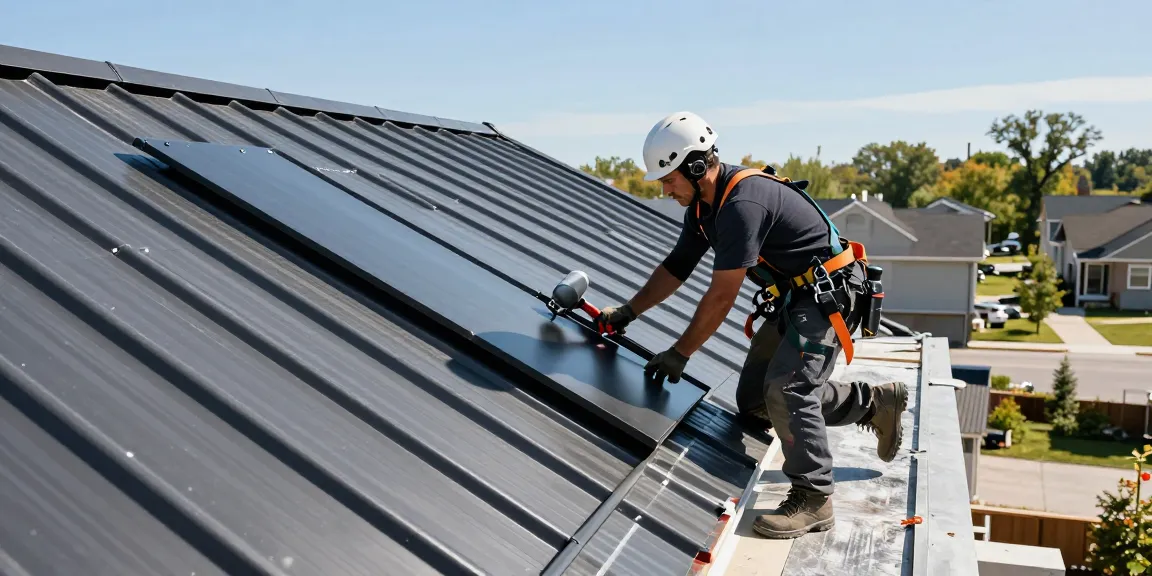
The installation of metal roofing generally follows these critical steps:
- Preparation: This includes removing old roofing and inspecting the structure for necessary repairs.
- Underlayment Installation: A protective layer is added to enhance insulation and protect against moisture.
- Metal Panel Installation: Panels are laid according to the specific design and secured properly.
- Finishing Touches: Flashing and sealants are added to ensure no leaks occur along seams or at edges.
Common Challenges During Metal Roofing Installation
While metal roofing installation is generally straightforward, several challenges may arise:
- Weather Conditions: Installations should be planned during dry weather to avoid complications with moisture.
- Complex Roof Designs: Unique architectural features may require custom fabrication of panels, adding to time and cost.
- Workmanship Quality: Ensuring a knowledgeable crew is critical, as improper installation can lead to costly repairs.
Maintenance and Longevity of Metal Roofing
Once installed, metal roofing is not entirely maintenance-free, but it does require less attention than traditional roofing materials. Here are crucial insights into maintaining the integrity and longevity of your metal roof.
Essential Maintenance Tips for Long-lasting Metal Roofing
To ensure that your metal roof remains in optimal condition, consider these maintenance tips:
- Regular Inspections: Check for debris accumulation, rust spots, or loose panels at least twice a year.
- Gutter Maintenance: Clean gutters regularly to prevent water buildup that can damage roofing material.
- Paint Restoration: If paint starts to fade or chip, consider repainting to protect against corrosion and enhance aesthetics.
What to Do If Your Metal Roof Gets Damaged?
Damage to a metal roof can occur, but addressing it quickly can prevent further complications. Homeowners should:
- Assess the Damage: Determine whether the damage is minor (dents, scratches) or requires significant repair.
- Document the Issue: Take photographs for insurance claims or contractor reference.
- Contact Professionals: Hire a certified contractor to evaluate and repair more extensive damage properly.
Expected Lifespan of Metal Roofing: What the Future Holds
Metal roofing is built to last. Most metal roofs have a lifespan of 40 to 70 years, depending on the material and installation quality. Factors influencing lifespan include:
- Material Quality: Higher-quality metals, like aluminum and copper, tend to last longer than lower-grade options.
- Climate and Environment: Areas with severe weather may require more frequent maintenance and inspections.
- Installation Quality: A properly installed roof is more likely to stand the test of time.
Future Trends in Metal Roofing for Toronto Homeowners
The metal roofing industry continues to evolve, influenced by technological advancements and changing consumer preferences. Here are notable trends shaping the future:
Innovative Technologies Impacting Metal Roofing Solutions
Emerging technologies are revolutionizing the metal roofing landscape, providing homeowners with enhanced options:
- Energy-Efficient Coatings: New reflective coatings can significantly reduce energy costs and improve energy efficiency ratings.
- Smart Roofing Systems: Integration with smart home technology allows for monitoring of roof conditions remotely.
- 3D Printing: Custom designs can be fabricated more efficiently through 3D printing, allowing for unique roofing solutions.
Eco-Friendly Practices in Metal Roofing Installation
With sustainability at the forefront of many homeowners' decisions, eco-friendly practices in metal roofing installation are gaining traction:
- Recycled Materials: Many metal roofing products are made from recycled content, reducing their environmental impact.
- Green Certifications: Look for eco-labels to ensure that materials comply with sustainability standards.
- Energy Reduction Strategies: Proper insulation and ventilation design can maximize energy efficiency, making homes more sustainable.
The Role of Metal Roofing in Sustainable Urban Development
As Toronto continues to grow, the integration of metal roofing in urban development can contribute to sustainability goals:
- Urban Heat Island Effect Mitigation: Metal roofs reflect sunlight, reducing heat absorption and cooling urban areas.
- Stormwater Management: The design of metal roofs can promote better drainage, reducing runoff and lowering flood risks.
- Long-term Investment for Sustainable Practices: Choosing resilient materials helps ensure that urban development aligns with future sustainability goals.
What are the advantages of metal roofing in Toronto?
Metal roofing offers durability, energy savings, and aesthetic versatility, making it a prime choice for Toronto homeowners.
How does metal roofing compare to traditional materials?
While traditional materials like asphalt may have lower upfront costs, metal roofing often provides longer lifespans and lower maintenance needs, translating to better long-term value.
What maintenance is required for metal roofing?
Metal roofs require minimal maintenance, including periodic inspections and cleaning to ensure longevity and performance.
Is metal roofing suitable for all types of homes?
Yes, metal roofing can complement any architectural style due to its variety of colors and designs, making it a versatile option for homeowners.
How do I choose a qualified contractor for metal roofing?
Seek contractors with specialized experience, solid customer reviews, and proper licensing and insurance to guarantee quality installation.