Understanding Appliance Repair Essentials
In our fast-paced world, appliances play a crucial role in our daily lives. When they malfunction, it disrupts our routines and can be a source of significant frustration. Understanding appliance repair is essential, not only to fix the immediate issue but also to prevent future breakdowns and prolong the lifespan of these valuable machines. In this guide, we'll delve into the essentials of appliance repair, offering insights into common issues, diagnostic techniques, cost factors, maintenance practices, and future trends in the industry. When exploring options, appliance repair services can provide comprehensive insights into solving your appliance woes effectively.
What is Appliance Repair?
Appliance repair refers to the process of troubleshooting and fixing household appliances that are malfunctioning. This can include a wide range of items, from refrigerators and dishwashers to washers and dryers. Professionals in the field use their expertise to diagnose issues and carry out repairs, often saving homeowners from the additional expense of purchasing new appliances.
Common Types of Appliance Issues
Household appliances may encounter various problems, including:
- Electrical Failures: Issues related to wiring, blown fuses, or faulty connections.
- Mechanical Failures: Broken belts, faulty motors, or worn-out components.
- Heating Issues: Problems with elements in ovens, stoves, or dryers that fail to heat properly.
- Cooling Problems: Refrigerators that don’t maintain the correct temperature.
- Leaks: Common in dishwashers and refrigerators, often due to worn seals.
Tools and Equipment Used by Professionals
Professional appliance repair technicians utilize a range of specialized tools and equipment, including:
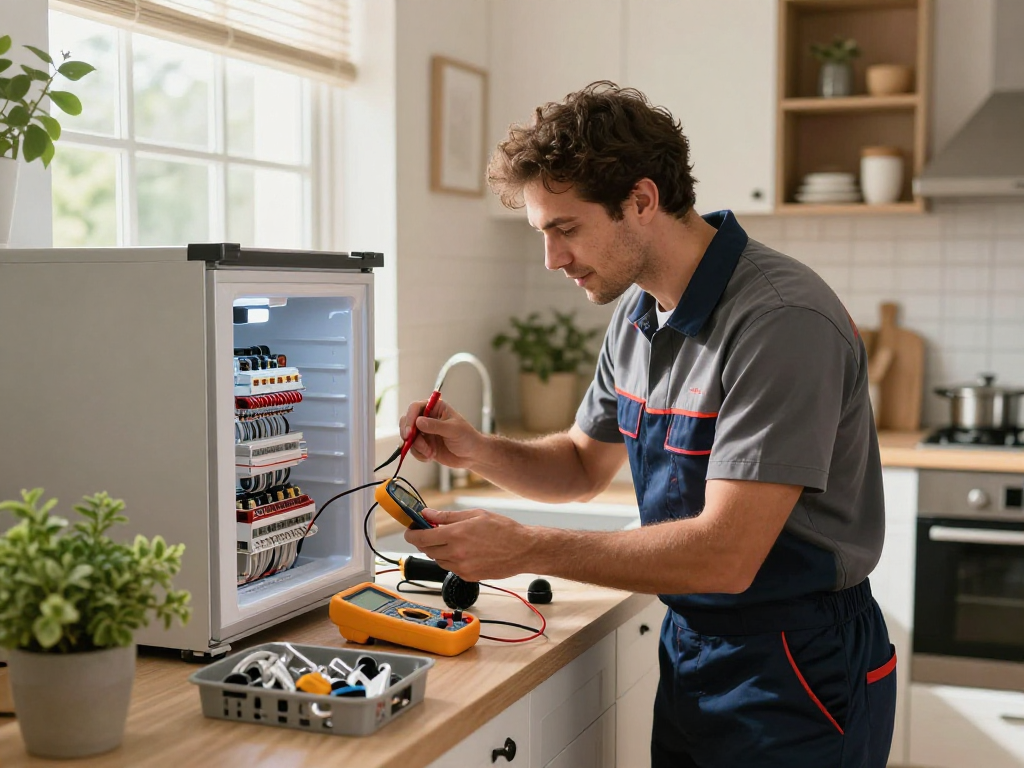
- Multimeters: For testing electrical circuits and diagnosing electrical issues.
- Wrenches and Screwdrivers: Essential for disassembling appliances.
- Soldering Tools: Used for repairing wiring connections.
- Centrifugal Pumps: For drainage systems in washing machines.
- Diagnostic Software: Advanced tools for newer, smart appliances that require specific testing protocols.
Diagnosing Appliance Problems Effectively
Proper diagnosis is the cornerstone of effective appliance repair. Identifying the root cause of a malfunction is crucial before any repair work begins.
Step-by-Step Diagnostic Techniques
Here are key steps technicians follow in diagnosing appliance problems:
- Visual Inspection: Examine the appliance for any obvious signs of damage, wear, or electrical issues.
- Testing Components: Use tools like multimeters to check the integrity of electrical components.
- Refer to Manuals: Consult the appliance manual for troubleshooting guidelines specific to the model.
- Check for Error Codes: Many modern appliances display error codes that can give insight into the issue.
- Test Operational Capacity: Run the appliance through its functions to observe where it fails.
Identifying Electrical vs. Mechanical Issues
Distinguishing between electrical and mechanical issues is vital for streamlined diagnosis. Electrical problems often present themselves with abnormal sounds, flickering lights, or failure to start, whereas mechanical issues tend to manifest as unusual vibrations, grinding noises, or failure to complete cycles.
Utilizing Technology in Diagnostics
With the rise of smart appliances, technology plays a significant role in diagnostics. Many appliances are now equipped with self-diagnostic features that can help pinpoint issues quickly. Technicians can connect to these systems to retrieve data on malfunctions, streamlining the repair process.
Cost Factors in Appliance Repair Services
The cost of appliance repair can vary widely based on several factors, from the type of appliance to the specific issue at hand.
Breaking Down Labor and Parts Costs
Costs typically comprise two major components: labor and parts. Labor charges vary by technician rates and the complexity of the repair, while parts costs depend on whether they need to be ordered or if they are readily available. On average, appliance repair costs can range from $100 to $500 or more, depending on these factors.
Comparing DIY Repair vs. Professional Help
While some homeowners opt for DIY repairs to save money, it is essential to evaluate the risks involved. DIY repairs can lead to further damage if not executed correctly, often resulting in higher costs in the long run. For complex issues or unfamiliar appliances, seeking professional help can be a more prudent choice.
Insurance and Warranties: What You Need to Know
Understanding your appliance’s warranty and whether repairs are covered can significantly impact overall costs. Many new appliances come with a warranty that covers specific repairs for a limited time, which can save homeowners considerable amounts if used wisely. Additionally, some homeowners’ insurance policies may also cover appliance repairs under certain conditions.
Best Practices for Maintaining Your Appliances
Regular maintenance can reduce the likelihood of appliance breakdowns and prolong their lifespan. Implementing a solid maintenance plan is advisable for all homeowners.
Routine Maintenance Tips
Here are some effective routine maintenance practices:
- Clean Filters: Many appliances have filters that require cleaning or replacement regularly.
- Inspect Hoses and Cords: Look for wear and tear, and replace them if damage is visible.
- Keep Appliances Dry: Prevent mold and corrosion by ensuring appliances are dry after use.
- Schedule Professional Inspections: Regular check-ups by professionals can identify potential issues early.
Signs Indicating Your Appliance Needs Repair
Being aware of the warning signs can help you address issues before they escalate:
- Unusual Noises: Grinding, buzzing, or hissing sounds can indicate underlying issues.
- Inconsistent Performance: If an appliance cannot maintain its intended function, it may need repair.
- Leaks: Water pooling around appliances is a clear indicator of a problem.
- Increased Energy Bills: Appliances that work inefficiently often consume more energy, leading to higher bills.
How to Extend the Lifespan of Your Appliances
To maximize the lifespan of your appliances, consider the following tips:
- Use Appliances as Intended: Follow manufacturer guidelines for usage.
- Avoid Overloading: Do not exceed recommended capacity for washers and dishwashers.
- Ensure Proper Ventilation: Adequate airflow helps prevent overheating in appliances.
- Keep Appliances Clean: Regular cleaning of appliance components contributes to efficiency.
The Future of Appliance Repair in 2026
As technology advances, so does the appliance repair industry. Looking ahead to 2026, several trends are emerging that will shape the future of appliance repairs.
Emerging Trends in Appliance Technology
Future appliances are expected to incorporate more smart features, with connectivity options that allow for remote monitoring and diagnostics. This technology will enable technicians to identify issues more efficiently and may even allow for updates and fixes via software.
Impact of Smart Devices on Repair Services
Smart devices are changing how repairs are handled. With integrated diagnostic systems, many repairs can be preemptively addressed, reducing the need for emergency service calls. This shift will likely enhance customer satisfaction and improve service efficiency.
Preparing for Sustainability in Appliance Repair
With the growing emphasis on sustainability, the appliance repair industry is aligning itself towards eco-friendly practices, including recycling old parts and promoting repairs over replacements. Consumers are increasingly valuing environmentally responsible choices, which will further influence service offerings.
What Should You Look for in an Appliance Repair Service?
When selecting an appliance repair service, consider the following factors:
- Certifications: Ensure that technicians are certified and knowledgeable about various appliances.
- Customer Reviews: Look for feedback from prior customers to gauge reliability and service quality.
- Warranty on Repairs: Choose a service that offers warranties on the work done.
- Response Time: Quick response times are essential for resolving urgent matters.
How Long Does Appliance Repair Typically Take?
The duration of an appliance repair can vary based on the complexity of the issue. Simple repairs can often be completed within an hour, while more complex issues may require several hours or multiple visits. Technicians will provide a better estimate once they diagnose the problem.
What Are the Most Common Appliance Repair Mistakes?
Common mistakes include:
- Ignoring Warning Signs: Delaying repairs can lead to more extensive damage.
- Attempting DIY Repairs: Without proper knowledge, DIY attempts can worsen the problem.
- Overlooking Maintenance: Neglecting basic maintenance can result in premature appliance failure.
How Can I Prevent Future Appliance Breakdowns?
Prevention is key! Regular maintenance, immediate attention to warning signs, and following user guidelines can help keep appliances in optimal working condition.
How Can I Choose a Reliable Appliance Repair Professional?
Look for referrals from friends or family, verify certifications, and check online reviews to find a reputable professional. For more information, appliance repair Aurora offers valuable insights. A reliable technician will provide transparent estimates and communicate clearly about the necessary repairs.